


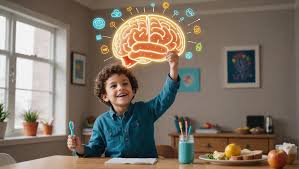
Learning how to stay healthy is just as important as learning math or reading. Health education is the way schools, communities, and organizations teach people about their bodies, minds, and choices so they can live better lives. It gives children, teenagers, and adults the tools to make smart decisions about food, exercise, safety, and even emotions.
What is Health Education?
At its core, this type of learning combines health and education. It is not only about facts but also about building knowledge and skills that help people take care of themselves.
- A curriculum is designed to guide lessons in schools.
- Teachers use instructional strategies like group discussions, role play, and storytelling to make lessons fun and easy to understand.
- The principles of health education focus on clarity, relevance, and practical use.
- The objectives are simple: help people stay safe, prevent illness, and build confidence in making choices.
- Common topics include nutrition, exercise, hygiene, and emotional well-being.
- Some schools even offer courses in physical and health education, where students learn about fitness alongside classroom lessons.
This approach is not just about memorizing facts, it is about practicing healthy actions every day.
Why is Health Education So Important?
The importance of health education can be seen in everyday life. Imagine a list of the 10 importance of health education. It would include things like eating well, exercising, and knowing how to prevent sickness.
- It encourages healthy behaviors such as brushing teeth, washing hands, and staying active.
- It builds healthy habits that last a lifetime.
- It teaches healthy practices like safe cooking and proper sleep.
- It promotes a healthy lifestyle and inspires people to aim for healthier lifestyles.
- It develops life skills such as decision-making and problem-solving.
- It helps people make informed decisions about food, exercise, and even friendships.
- It shapes attitudes toward safety, kindness, and respect for others.
- It supports good health by preventing illness before it starts.
- It improves wellness by balancing body and mind.
- It strengthens mental well-being, reducing stress and anxiety.
- It supports physical health by encouraging movement and play.
- It builds social competence, teaching kids how to work together and handle peer pressure.
The Impact of Health Education on Communities
When individuals learn to care for themselves, entire communities benefit. Schools, neighborhoods, and workplaces become healthier and safer.
- Community health programs spread awareness about hygiene, nutrition, and exercise.
- Community health education helps families understand how to prevent illness.
- School health education ensures children grow up with strong habits.
- Public health education reaches larger groups through campaigns and workshops.
- Together, these efforts improve public health, raising the overall health status of people.
- By addressing the social determinants of health programs reduce risks, like housing, income, and environment.
- Prevention, preventive measures, disease prevention, and disease control all become easier when people know what to do.
- The result is stronger health promotion and safer communities.
Addressing Healthcare Disparities
Not everyone has the same access to healthcare. Some face healthcare disparities because of poverty, distance, or lack of resources. By teaching people about health issues, disease, and mental health issues, education helps close the gap.
Shaping Public Policy and Community Programs
Governments and organizations like the World Health Organization and the American Public Health Association use education to guide policy. Through health communication, they spread messages about vaccines, hygiene, and safety. This also helps reduce social pressures that can harm young people.
Economic and Social Benefits of Health Education
There is also an economic importance. Healthy people miss fewer days of work or school, which supports development. Strong programs create healthier communities, where everyone has a chance to live a healthier life.
Examples of Effective Health Education Programs
There are many examples of health education that show how powerful it can be:
- Health education programs in schools teach kids about nutrition and exercise.
- Community health initiatives bring doctors and educators into neighborhoods.
- Public health campaigns use posters, TV, and social media to spread awareness.
- Peer educators students teaching other students, make learning relatable.
These programs prove that learning about health can be creative, interactive, and fun.
Strategies for Successful Implementation
For lessons to work, they must be planned carefully.
- Different methods of health education, like games, workshops, and storytelling, keep learners engaged.
- An effective curriculum ensures that lessons are age-appropriate and practical.
- Effective health education uses real-life examples, not just theory.
- Instructional strategies like group projects or role play make learning active.
- Educators and teachers play a central role in guiding students.
- Health educators and health education specialists bring expertise.
- Public health educators reach larger audiences through campaigns.
- Certified health education professionals ensure quality and accuracy.
- Ongoing professional development keeps teachers updated.
- Access to resources like books, videos, and apps makes learning easier.
Careers and Opportunities in Health Education
This field also offers exciting career paths.
- A career in this area can be rewarding and impactful.
- There are many opportunities in schools, hospitals, and community centers.
- Experience in teaching or healthcare helps professionals succeed.
- Specialists focus on areas like nutrition, mental health, or disease prevention.
- A health education specialist may design programs for schools or workplaces.
- Certified health education professionals can work in government or NGOs.
- Public health educators spread awareness on a larger scale.
- School health educators focus on children and teenagers.
- Ongoing professional development ensures skills stay sharp.
- A degree in this field opens doors to many roles.
- Health education courses prepare students for these careers.
The Future of Public Health Education
Looking ahead, the field will continue to grow.
- Public health education will expand with new technologies.
- Public health educators will use apps, videos, and online platforms.
- Health communication will become more digital and interactive.
- Mental health and mental well-being will receive more attention.
- Preventive measures and disease prevention will remain top priorities.
- Global groups like the World Health Organization and the American Public Health Association will guide progress.
- Addressing social determinants of health will help reduce inequality.
- Stronger health promotion will lead to healthier families and stronger community health.
