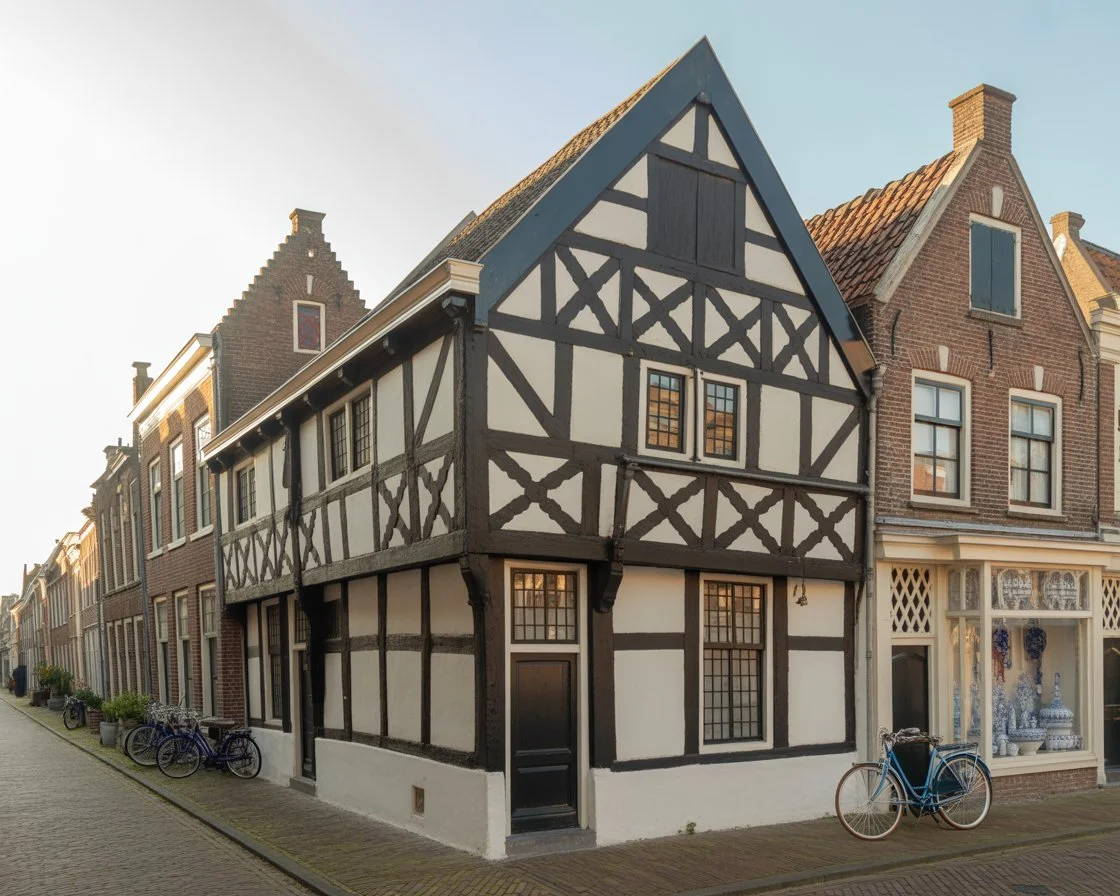
Vakwerkhuis Delft is a unique and meaningful building located in the city of Delft, Netherlands. It is known for its strong historical background, industrial architecture, and modern transformation into a creative and community-focused space. Today, Vakwerkhuis Delft serves as a coworking space, event venue, café, and meeting place, while still preserving its historical character.
This article explains the history, architecture, renovation, cultural importance, and modern use of Vakwerkhuis Delft in simple and clear language.
Introduction to Vakwerkhuis Delft
Vakwerkhuis Delft is a former industrial building that has been transformed into a modern and functional space for work, meetings, and social gatherings. It is located near the Technical University of Delft and close to the city centre. The building is an example of how old industrial structures can be reused in a sustainable and meaningful way.
The name “Vakwerkhuis” reflects craftsmanship, teamwork, and creativity. These values are visible in both the design of the building and the activities that take place inside it.
Historical Background of Vakwerkhuis Delft
Early Construction and Purpose
Vakwerkhuis Delft was originally built in the early twentieth century, around the year 1903. At that time, it functioned as a boiler house. The main purpose of the building was to produce heat and energy for nearby educational buildings, especially for what later became the Technical University of Delft.
The building was designed as a strong industrial structure. It had thick brick walls, large open spaces, high ceilings, and a tall chimney. These elements were necessary to support heavy machinery and industrial equipment.
Industrial Role in Delft
For many decades, Vakwerkhuis played an important role in supporting education and research in Delft. The boiler house provided heating and power, which was essential for laboratories, classrooms, and student facilities. The building worked quietly in the background but was vital to daily life in the area.
As technology improved and heating systems changed, the original function of the boiler house slowly became unnecessary. By the second half of the twentieth century, the machinery was shut down, and the building stopped operating as an energy facility.
Years of Vacancy
After it stopped functioning as a boiler house, Vakwerkhuis Delft remained unused for many years. During this time, the building was empty but largely preserved. Because it was not heavily modified or demolished, many original features remained intact.
Although unused, the building still held historical and architectural value. Its industrial character and connection to Delft’s educational history made it an important structure worth saving.
Renovation and Transformation
Vision for Reuse
Instead of demolishing the old boiler house, a decision was made to reuse and renovate it. The goal was to respect the building’s history while adapting it to modern needs. Architects and planners wanted to create a space that would support creativity, collaboration, and community life.
The renovation focused on sustainability, reuse of materials, and preservation of the original structure. This approach helped maintain the character of Vakwerkhuis Delft while giving it a new purpose.
Architectural Changes
During renovation, many original elements were kept. The brick walls, steel beams, and industrial roof structures were restored rather than replaced. New additions, such as glass walls and modern interiors, were added carefully so they did not overpower the historic design.
Natural light was increased by opening up spaces and adding transparent sections. This created a bright and welcoming atmosphere inside the building.
Sustainable Design
Sustainability played a major role in the transformation of Vakwerkhuis Delft. Instead of using all new materials, many existing materials were reused. This reduced waste and preserved the building’s authenticity.
Modern heating, ventilation, and energy-efficient systems were added to ensure comfort while lowering environmental impact. The renovation is often seen as a strong example of sustainable urban development.
Architecture and Design Features
Industrial Character
Vakwerkhuis Delft still clearly shows its industrial origins. The large open halls, high ceilings, and visible construction elements create a strong and honest architectural style. This industrial look is one of the building’s main attractions.
The mix of old and new materials creates a balanced design. Visitors can see the history of the building while enjoying modern comfort.
Interior Layout
The interior of Vakwerkhuis Delft is flexible and adaptable. Spaces can be used for different purposes, including work, meetings, events, and social activities. The layout encourages movement, interaction, and creativity.
Different areas are designed for focused work, group discussions, and relaxation. This makes the building suitable for a wide range of users.
Vakwerkhuis Delft as a Coworking Space
Modern Work Environment
Today, Vakwerkhuis Delft is widely known as a coworking space. It provides a professional but relaxed environment for freelancers, entrepreneurs, remote workers, and small teams.
The workspaces are designed to support productivity while also encouraging communication and collaboration. People can work independently or connect with others in shared areas.
Community and Collaboration
One of the strongest aspects of Vakwerkhuis Delft is its sense of community. People from different backgrounds work in the same building, which leads to the exchange of ideas and knowledge.
The space often hosts workshops, discussions, and informal meetings. These activities help build relationships and support innovation.
Meetings and Events at Vakwerkhuis Delft
Business Meetings
Vakwerkhuis Delft offers several rooms suitable for meetings, presentations, and workshops. These spaces are equipped with modern facilities and can be arranged in different layouts.
Companies and organizations choose Vakwerkhuis because it offers a creative atmosphere that is different from traditional office buildings or hotels.
Social and Cultural Events
In addition to business use, Vakwerkhuis Delft is also a popular location for social events. These include private celebrations, cultural gatherings, and creative exhibitions.
The building’s unique character makes events feel special and memorable. Guests often appreciate the combination of history and modern design.
Café and Social Space
A Place to Meet and Relax
Vakwerkhuis Delft includes a café that is open to workers, visitors, and local residents. The café is an important part of the building’s social life.
People come here for coffee, lunch, informal meetings, or simply to relax. The café helps make Vakwerkhuis more than just a workplace. It turns it into a welcoming public space.
Connection with the City
The café and public areas help connect Vakwerkhuis Delft with the surrounding city. Students, professionals, and residents all use the space, which strengthens its role in urban life.
Cultural and Social Importance
Preserving Heritage
Vakwerkhuis Delft is an example of how historical buildings can be preserved and reused. Instead of losing its industrial past, the building celebrates it.
This approach helps protect cultural heritage while allowing buildings to remain useful and relevant.
Supporting Creativity
By offering space for work, meetings, and events, Vakwerkhuis Delft supports creativity and innovation. It brings together people from different fields, including technology, design, education, and art.
This mix creates a dynamic environment where new ideas can grow.
Location and Accessibility
Vakwerkhuis Delft is located in a strategic area between the university campus and the historic city centre. This makes it easy to reach by foot, bicycle, and public transport.
Its location allows it to serve both students and professionals, as well as visitors from outside the city.
Vakwerkhuis Delft in Modern Urban Life
Vakwerkhuis Delft represents a modern approach to city development. It shows that old industrial buildings do not need to be removed to make space for progress. Instead, they can be transformed into valuable community spaces.
The building connects Delft’s past with its future. It respects history while supporting modern ways of working and social interaction.
Future of Vakwerkhuis Delft
As cities continue to grow and change, places like Vakwerkhuis Delft will become even more important. Flexible spaces that combine work, culture, and community are well suited to modern life.
Vakwerkhuis is expected to continue hosting creative projects, professional activities, and public events. Its ability to adapt makes it a strong example of sustainable and human-focused design.
Conclusion
Vakwerkhuis Delft is much more than a renovated building. It is a place where history, architecture, creativity, and community come together. From its origins as an industrial boiler house to its current role as a coworking and event space, it tells a story of transformation and reuse.
The building shows how careful renovation and thoughtful design can give old structures new life. Vakwerkhuis Delft stands as an important landmark in Delft and a model for future urban development.