Introduction
Solder joints that appear dull, rough, or granular are typically caused by the use of improper flux, incorrect temperature control, or poor-quality solder paste—rather than being solely a problem with the solder itself. Cold solder joints can lead to unstable electrical connections, thereby compromising device performance. In the context of mobile phone motherboard repair, the use of high-quality flux paste, desoldering wick, and professional desoldering mesh effectively removes oxide layers and enhances solder joint quality. Stable thermal control and the use of appropriate tools are the keys to achieving robust soldering and high-quality refurbishment.
.Preparation Before Soldering Work
Before starting any soldering task, proper guidance is important because it directly affects soldering enjoyment and long-term equipment balance. The recovery area shall be well-defined, well-lit and relaxed for static discharge hazards. The primary configuration is a temperature-controlled soldering iron set at 330°C to 370°C for popular mobile phone boards, and a hot air reprocessing station set between 280°C and 350°C depending on element length.
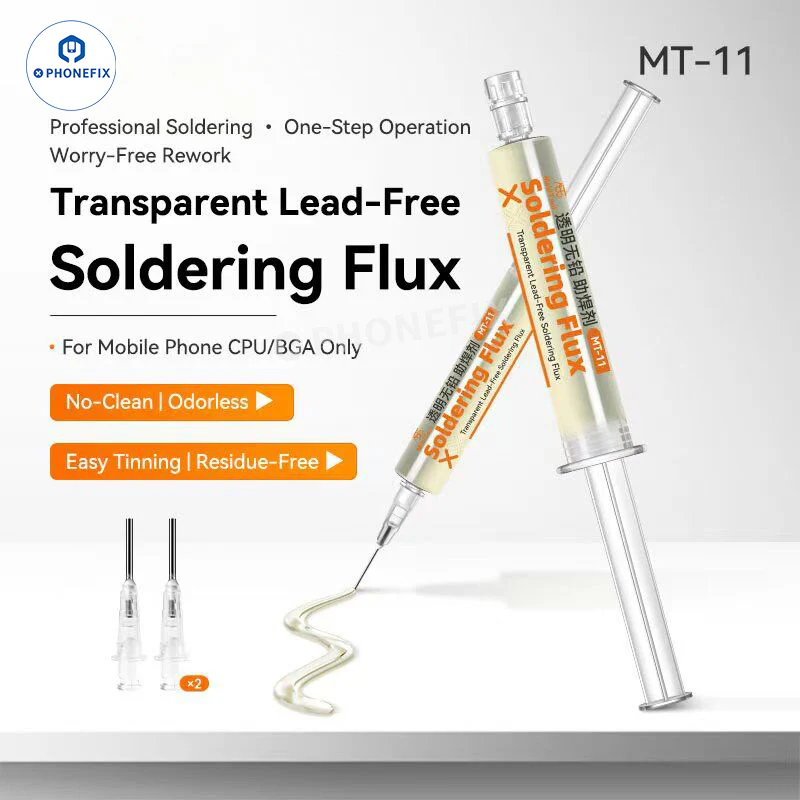
Preparation also involves choosing the right ingredients. MobiTool MT-eleven solder flux is chosen for its strong cleaning ability and easy solder waft, especially when faced with oxidized pads A true adequate solder paste is crucial for dumbbell or IC options work, as it ensures uniform melting at all levels of hot air surfaces of solder from the pad, while MIJING HM-eleven Nano Cleaning Sponge is used for cleaning of quality residue after defrosting Each unit has a selected role to maintain accuracy and prevent loss of sensitive motherboard voltages.
Identifying the Cause of Dull Solder Joints
Dull solder joints often appear when there is oxidizing paperwork on the pad or insufficient heat prevents proper alloy bonding between the solder and the copper surface In many cell recovery cases, this issue occurs after repeated work or when less than fine current evaporates too quickly. Another uncommon cause is overheating, which burns the current too quickly, leaving a dry, pitted surface against the clean metal finish .
To properly diagnose the problem technicians visually look inside the panel under a microscope, looking for signs of negative soaking, cracked joints, or choppy solder distribution During this training, mobile soldering techniques solder paste assessment current comparison solder high quality, therefore, the quality of the solder paste will be an important part of the current pattern and Usten Understanding these differences makes it easier to determine whether the problem is technique or material related, which is important before moving to repair training .
Applying Flux and Solder Paste Correctly
Applying electricity is one of the most important steps in restoring proper solder joint quality. The MobiTool MT-eleven hairspray is performed with a microbrush or microapplicator in a thin, even layer over the damaged pads. This current helps eliminate oxidation and allows the solder to move smoothly with the current across the copper substrate. When the IC option or rerounding is encountered, a top-notch solder paste is carefully adjusted using stencils to ensure accurate solder ball formation .
The PHONEFIX Release braid can also be used at this stage if the vintage solder needs to be finished before a clean cloth is applied. It is gently pressed on the pad and heated with a soldering iron to about 350°C, so that it can absorb excess solder without damaging the PCB For cleaning after power consumption or solder removal MIJING HM-11 nano-cleaning sponge is easily used to wipe away strong adhesives.
Reflow Soldering Process and Heat Control
Reflow soldering is the stage where the proper temperature change determines the final protrusion of the solder joints. The hot air reprocessing station is usually set between three hundred°C and 340°C for maximum mobile ICs, although the airflow must be moderate to avoid displacement of small components The nozzle is stored approximately 2–3 cm from the panel, and switches in a circular motion to distribute heat across the vial
This mode activates current from MobiTool MT-eleven solder flow and allows for even solder softening, increasing light and liveable joints Use micro-ESD-safe tweezers to gently push or adjust components if necessary, yet appropriate timing is needed to ease over solder directly directly damages internal tile systems, while underheating leads to incomplete bonding and poor connections that fail under stress
Cleaning, Desoldering, and Final Finishing
Cleaning the board after soldering is complete is essential to eliminate flux residue and increase long-term reliability. The MIJING HM-eleven Nano Cleaning Sponge is used with isopropyl alcohol gently eased over the entire treatment area, ensuring that no sticky residue is left behind that will attract dust or moisture. This step additionally allows technicians to visually see the nest of solder connections additionally definitely.
If any excess solder remains, PHONEFIX Desoldering Braid can be used to refinish the pad assembly once more to increase the surface finish. A thoroughly cleaned panel should show a clean, bright solder assembly with no oxidation marks or uneven textures. This level of clarification is important because even small residues can affect conductivity and cause long-term instability in cellular and mobile circuits.
Testing and Verification of Repair Quality
Once the cleaning is complete, check the panel to make sure all solder joints are tight and electrically safe. This involves using a multimeter in continuity mode to check connections between critical factors with power traces, statistical lines, and floor paths In advanced treatment installations, the power supply circuit is used to establish power balance and locate short circuits before reconnecting.
Visual inspection during magnification is equally important, as even small imperfections can affect performance over the years. Proper soldering especially ensures that the repaired device behaves like new, with strong startup and normal capacity. A very final stress test, along with powering the machine for an extended period of time, confirms whether the solder joints can cope with real use with external failure or not.
Conclusion
Dull or rough solder joints typically indicate a cold solder joint, which can lead to device instability. Common causes include incompatible flux, improper temperature control, and substandard soldering materials. By utilizing professional tools—such as MobiTool MT-11 soldering paste, PHONEFIX desoldering wick, and MIJING HM-11 Nano Cleaning Sponge—one can effectively enhance solder joint quality and connection stability. Precise heating control and high-quality materials are the keys to achieving bright, robust solder joints and ensuring high-quality electronics repair.