Imagine a world where no one can cheat the system, not even the smartest hacker. That world is closer than you think, and it is made possible by blockchain technology. At first, the name may sound complex, but the idea is simple. Think of it like a digital notebook that everyone can see but no one can secretly erase or change. Every page in this notebook is locked in place, and once written, it stays there forever.
This system is not just about money or computers. It is about trust. People use it to share information safely, to trade without middlemen, and to make sure records are always honest. From banks to shops, from artists to energy companies, many are turning to this method because it gives them confidence. By the end of this guide, you will see how something so simple can change the way the world works.
What is Blockchain Technology?
At its heart, this system is made of blocks that are linked together like a chain. Each block stores details of transactions, such as who sent what to whom. Once a block is filled, it gets locked with a cryptographic hash, a kind of digital fingerprint. Then, a new block is added on top, creating a growing ledger that keeps data safe and accurate.
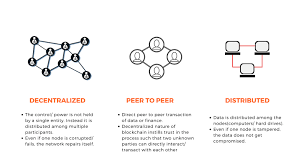
Because no single person controls it, the system is decentralized. This means decisions are made by the network, not by one authority. The result is a record that is reliable, tamper-proof, and trusted by all participants.
What is Blockchain as a Service (BaaS)?
BaaS lets companies use blockchain without building it from scratch. Providers like Microsoft Azure and IBM offer ready-made platforms for enterprise adoption, making it easier for businesses to test and grow.
Why Blockchain Matters in Today’s Digital World
Why is this system so important? In a world where digital fraud and hacking are common, people need ways to trust online transactions. Traditional systems often rely on banks or middlemen, but that can slow things down and add costs.
With this new approach:
- Transparency is built in, since everyone can see the record.
- Security is stronger, thanks to cryptography.
- Fraud prevention becomes easier, because no one can secretly change past entries.
- Business adoption is growing, as companies use it for digital transformation to make processes faster and safer.
Real-World Applications of Blockchain Across Industries
This technology is not just for money. It is being used in many fields to solve real problems.
Blockchain in Energy and Utilities
In the energy sector, it helps track renewable power, like solar or wind. People can trade electricity directly with neighbors using blockchain energy trading, and smart grids can balance supply and demand more efficiently.
Blockchain in Banking and Finance
Banks and financial institutions use it to speed up payments and reduce costs. Cryptocurrencies like bitcoin and ethereum run on these networks, while decentralized finance (DeFi) allows people to borrow, lend, or invest without traditional banks.
Blockchain in Media and Entertainment
Artists and creators use it to protect digital rights. NFTs (non-fungible tokens) let musicians, writers, and game developers sell unique digital items. This helps fight piracy and ensures fair copyright protection.
Blockchain in Retail and E-Commerce
Stores use it to track products in the supply chain. Customers can check if food is fresh or if clothes are ethically made. This improves retail transparency, prevents fake goods, and builds trust between buyers and sellers.
Core Features of Blockchain Technology
Every system has special qualities that make it powerful.
Decentralization Explained
Instead of one central authority, many nodes (computers) share the work. This peer-to-peer network means no single person can control or shut it down.
Immutability and Data Integrity
Once data is written, it cannot be changed. This tamper-proof nature ensures data integrity and builds trust.
Consensus Mechanisms
To agree on what is true, the network uses consensus. Popular methods include proof of work (solving puzzles) and proof of stake (using ownership as a vote). These keep the system fair and secure.
Key Components of Blockchain Architecture
Two main building blocks make the system work.
Smart Contracts and Automation
Smart contracts are digital agreements that run automatically when conditions are met. For example, if you buy a ticket online, the contract can release it once payment is confirmed. Platforms like ethereum use these to power decentralized applications.
Public Key Cryptography and Security
This is like having two keys: one public and one private. The public key is like your address, while the private one is your secret password. Together, they create digital signatures that keep transactions safe and verifiable.
How Blockchain Works Step by Step
Let us break it down into simple steps.
Step 1: Recording a Transaction
Someone makes a transaction, like sending digital assets. This is written down like an entry in a database.
Step 2: Achieving Consensus
The network checks if the transaction is valid. Nodes use rules like proof of work or proof of stake to agree.
Step 3: Linking Blocks Together
Once approved, the transaction joins a block. Each block has a hash and connects to the previous one using merkle trees and merkle roots.
Step 4: Distributing the Ledger
Finally, the updated distributed ledger is shared with everyone. This ensures transparency and keeps all public ledgers in sync.
Types of Blockchain Networks
There are different kinds of networks, each with unique uses:
- Public networks: Open to everyone, like bitcoin.
- Private networks: Controlled by one company.
- Hybrid networks: Mix of public and private.
- Consortium networks: Shared by a group of organizations.
Popular Blockchain Protocols
Several well-known systems power today’s projects:
- Hyperledger Fabric: Used by businesses for supply chains.
- Ethereum: Famous for smart contracts and apps.
- Corda: Designed for financial services.
- Quorum: A private system built for enterprises.
Evolution of Blockchain Technology
This idea has grown in stages.
First Generation
The journey began with bitcoin, created by Satoshi Nakamoto. It introduced cryptocurrency, digital currency, and mining.
Second Generation
Next came smart contracts, led by ethereum, allowing more than just money transfers.
Third Generation
Now, new systems focus on scalability, interoperability, and preparing for the future of blockchain.
Benefits of Blockchain Technology
Why are so many people excited about it?
Enhanced Security
Strong cryptography makes it hard for hackers. This helps with fraud prevention and advanced security.
Greater Efficiency
Processes become faster with automation and fewer middlemen. Transactions are completed in seconds instead of days.
Faster and Transparent Auditing
Because records are open and permanent, auditing is quicker. Companies gain compliance and trust with less effort.
Blockchain vs. Bitcoin
Many people confuse the two, but they are not the same.
The Bitcoin Network
Bitcoin blockchain is just one example. It records transactions and is run by many nodes.
Bitcoin Mining Explained
Mining uses computational power to solve puzzles. This keeps the network secure but uses a lot of energy.
Blockchain vs. Traditional Databases
A database is controlled by one owner, who can change or delete entries. In contrast, a distributed ledger is shared, immutable, and free from a central authority.
Blockchain vs. Cloud Computing
Cloud computing stores data on servers owned by companies. Blockchain spreads data across many computers, offering decentralization, stronger security, and better data storage integrity.
Conclusion
Blockchain started as a way to power digital money but has grown into a tool that can change industries, improve trust, and make systems more secure. From energy to finance, from retail to entertainment, it is shaping the future of how we share and protect information.